


















|
|
|
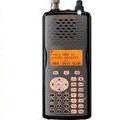
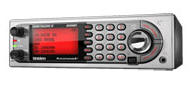
PSR-500
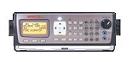
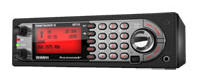
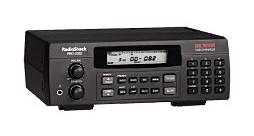
PSR-600
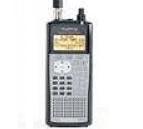
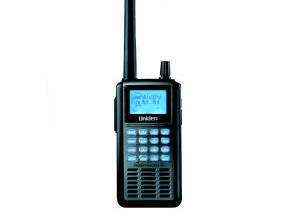
PRO-106
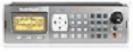
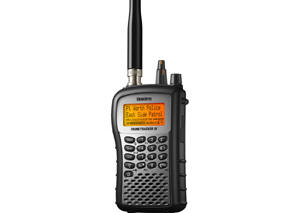
PRO-197
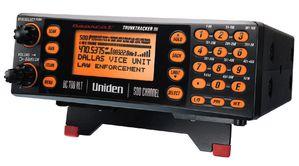
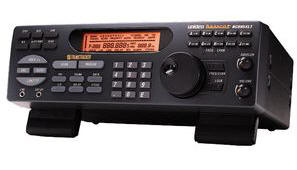
BCD996T
BCT15
BCD396T
BC246T
BR330T
BC95XLT
SC230
BC898T
BC296D
BCT8
BC785D
BC796D
BC780XLT
PRO-2052
BC895XLT
|
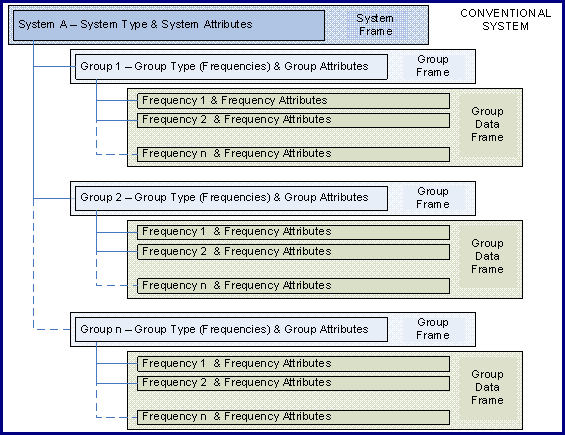
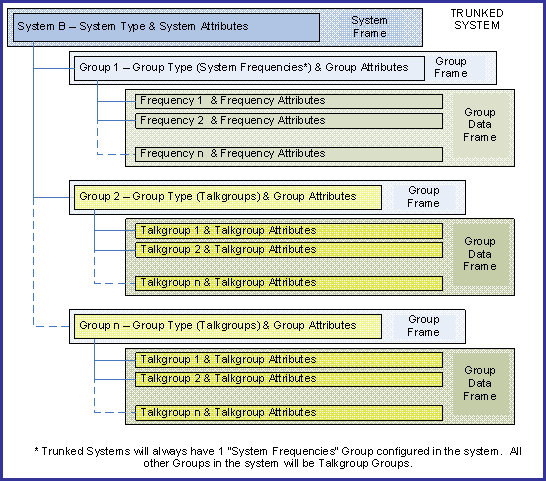
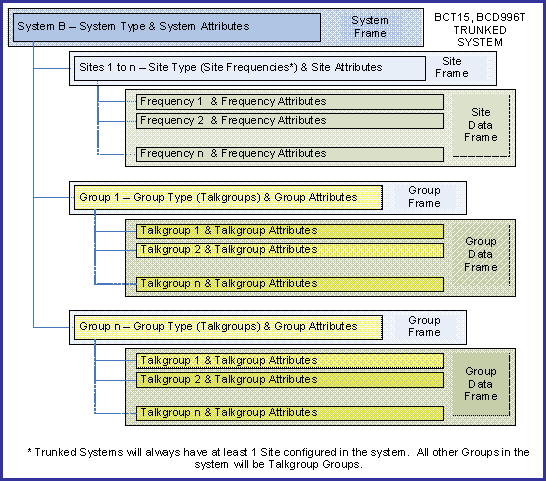
Dynamic Memory Architecture (DMA) – The newer scanners from Uniden, the SC230, BC246T, BR330T, BCD396T, BCT15 and the BCD996T employ a new memory technology known as Dynamic Memory Architecture, or DMA. DMA allows for more efficient and flexible use of scanner memory by not imposing fixed sizes for banks or scanlists. The radio can be configured to have multiple “Systems” containing multiple “Groups”. A Group can contain conventional frequencies or Talkgroup IDs in a trunked system. The diagrams below depict how Systems relate to Groups, and how Groups contain frequencies or Talkgroup IDs, and how they are organized for use. ScanControl has been designed to replicate this organization as part of the data entry and edit process. The ScanControl Systems edit screen is organized to have a System Frame, a Group Frame and a Group Data Frame for data entry and editing. Conventional Systems contain only Groups of frequencies. Trunked systems contain one Group of frequencies and multiple Groups of Talkgroup IDs arranged in any logical order you want. The BCD996T adds the concept of a Trunk system site. A site is group of frequencies, or channels, used by a particular geographic location in a Trunk system. A Trunk system can have many sites, each containing a set of frequencies associated with that geographic site location. The size of a System and the Groups within it are limited within the memory architecture so review our DMA Memory Limits Table.
DMA Organization - Conventional Systems - All Radios
DMA Organization - Trunked Systems BC246T, BR330T, BCD396T
DMA Organization - Trunked Systems BCT15, BCD996T
|
|